A Parent’s Guide to Youth Football Trials

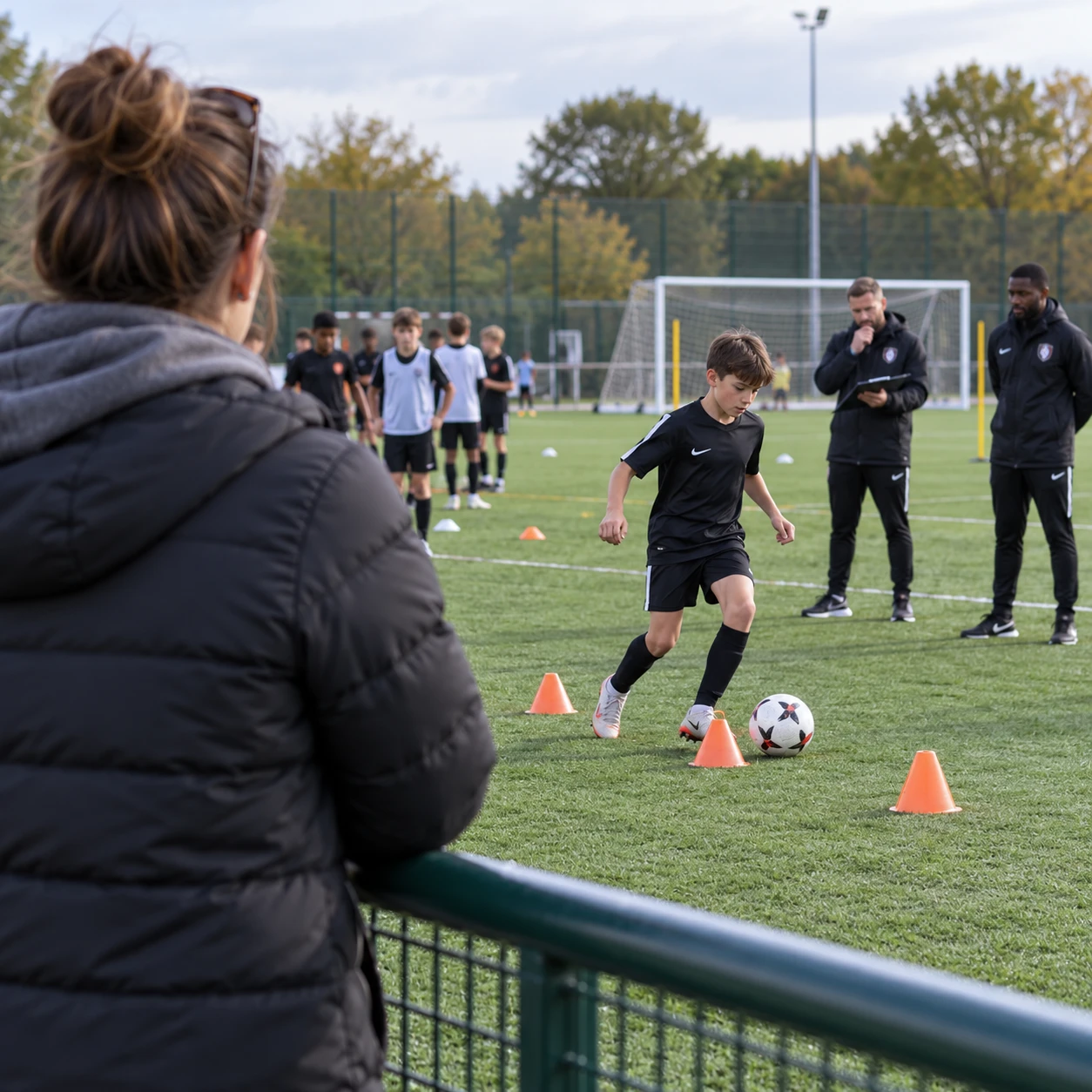
Youth football trials can feel like a big moment for a young player and their family. Knowing what to expect helps take some of the pressure off: a trial gives coaches a chance to observe a player, while the child gets to experience the club and its environment.
Formats and selection processes vary between youth football clubs, so always read the club’s instructions carefully. The most useful preparation is practical and age-appropriate, with enjoyment, effort, and wellbeing taking priority over the result.
What to Expect at a Youth Football Trial
A youth football trial usually includes check-in, a warm-up, football drills, and some form of match play. The exact schedule, length, and number of sessions depend on the club, age group, and trial purpose.
At check-in, staff may confirm the player’s name, age group, emergency contact details, and trial registration. They might assign a bib or group and explain where parents can watch. Arriving with enough time to find the pitch and change can help your child settle without a rush.
Sessions often move from individual or paired activities into small-sided games. Coaches may use drills to observe how players handle the ball, then watch how they apply those skills when opponents and teammates change the situation. Some clubs hold one open trial; others invite players to several sessions or use a separate assessment process.
Tell your child to listen to instructions and take part in each activity rather than trying to guess what coaches want to see. A trial is also a chance to notice whether the coaching style and club environment feel suitable for them.
How Clubs Assess Young Players
Coaches assess a mix of technical ability, decision-making, teamwork, attitude, and potential. There is no single standard that applies to every club, age group, or position.
During skills assessment, coaches may look at how a player controls and passes the ball, dribbles under pressure, moves into space, or finishes. Match play adds context: can the child notice options, make timely decisions, and respond when a plan does not work?
Coaches and scouts may also pay attention to communication, effort after losing possession, and how a player treats teammates and opponents. These observations help show how a child participates in a team, not only what they can do in a rehearsed drill.
Selection is a snapshot, not a final verdict on a child’s ability or future. Clubs may be looking for particular positions or needs within a squad, and young players develop at different rates. A child who is not selected may still have strong qualities and plenty of ways to keep learning.
Preparing Your Child Before the Trial
To prepare for a youth football trial, keep the days before it simple: prioritize sleep, regular meals, hydration, and familiar football practice. A rested child who understands the plan is usually better placed to enjoy the session than one who has been pushed through extra training.
In the days beforehand, a short, relaxed practice can help your child feel comfortable with the ball. Passing, dribbling, and light movement are enough; avoid adding unfamiliar drills or a hard training session just before the trial. For younger players especially, play should remain enjoyable rather than turning into a test at home.
Talk through practical details: when you will leave, where you will meet after the session, and who to ask if they feel unsure. If nerves come up, acknowledge them without promising a particular outcome. You might say, “It’s normal to feel nervous. Focus on listening, trying things, and enjoying the game.”
On the day, offer water and a familiar meal or snack at a sensible time. Follow any club guidance on food, arrival, and warm-up. Avoid last-minute tactical instructions if they leave your child more confused than confident.
What to Bring and Wear
Your child should wear comfortable football kit and footwear suited to the trial surface, and bring water. Check the club’s trial information first, since some sessions have specific rules about boots, shin guards, or documents.
- Kit: A comfortable shirt, shorts, and football socks. Choose layers for the weather, but avoid clothing that restricts movement.
- Footwear: Boots or trainers appropriate for the playing surface. If you are unsure whether the trial is on grass or artificial turf, ask the club before buying or borrowing new footwear.
- Safety items: Shin guards are commonly expected for football, especially during match play. Follow the club’s instructions and make sure they fit securely.
- Water: Bring a clearly identifiable bottle and encourage your child to drink during breaks.
- Paperwork: Take any requested registration confirmation, medical information, or emergency contact details. Do not assume every club uses the same forms.
Labeling kit and checking it the evening before can prevent a rushed search on trial day. New boots may look the part, but unfamiliar or poorly fitting footwear can distract a player; use comfortable equipment they have already tried when possible.
How Parents Can Support on the Day
Parents can best support a trial by helping their child arrive prepared, then letting the coaches lead. Calm encouragement and respectful behavior make the experience more comfortable for the player and everyone on the pitch.
Before the session, agree on a simple message: give it a go, listen, and enjoy playing. During the trial, follow the club’s guidance about where to stand and whether spectators can speak to players. Avoid shouting instructions from the sideline, comparing children, or challenging coaches about decisions while the session is underway.
Afterward, ask an open question such as, “What did you enjoy?” or “What felt challenging?” Give your child time to answer before offering your own analysis. If they want feedback, focus on effort and specific actions rather than judging their performance against other players.
Trials can bring disappointment or excitement, sometimes both. Keep the conversation proportionate: one session does not define a child’s talent, character, or future in football. Protecting confidence means showing that your support does not depend on selection.
After the Trial: Feedback, Selection, and Next Steps
After a trial, the club may offer a place, invite your child to another assessment, provide feedback, or decide not to select them. Follow the club’s stated timeline and contact process; not every youth football club gives individual feedback.
If you receive an offer, take time to understand what it involves. Ask about training times, match commitments, costs, travel, registration, and the club’s expectations for players and families. A place is only a good fit if the schedule, environment, and level of commitment work for your child and household.
If the answer is no, respond calmly and help your child separate the decision from their self-worth. If the club offers specific feedback, turn it into one or two practical development goals, such as scanning before receiving the ball or using the weaker foot in practice. Avoid treating a broad or unexplained selection decision as a detailed assessment of everything your child can do.
There are many routes to progress: playing for a local team, joining recreational sessions, practicing with friends, or trying again later. Regular, enjoyable football gives a young player room to build skills and confidence without making trials the only measure of progress.
Frequently Asked Questions
Does my child need previous club experience to attend a trial? Not always. Some clubs welcome players with little or no club experience, while others look for a particular level or playing background. Check the trial registration page or contact the club to confirm eligibility.
What should my child wear to a football trial? Comfortable football kit, suitable footwear, and shin guards if required. Check the club’s instructions for the pitch surface, dress code, and any equipment rules.
How long do youth football trials usually last? There is no fixed duration. A session may be a single training block or part of a multi-session assessment, so use the club’s schedule rather than assuming every trial follows the same format.
What should we do if my child is not selected? Listen, reassure them, and ask what they would like to do next. Use any clear feedback to set manageable practice goals, then keep playing in an environment where they can learn and enjoy football.